| and the ARTISTS who drew, lithographed and printed illustrations for their articles on Australian Lepidoptera | (donherbisonevans@yahoo.com) and Stella Crossley |
|
| and the ARTISTS who drew, lithographed and printed illustrations for their articles on Australian Lepidoptera | (donherbisonevans@yahoo.com) and Stella Crossley |
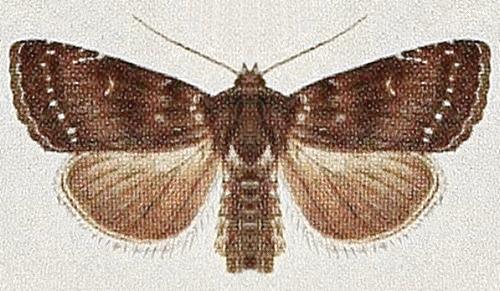
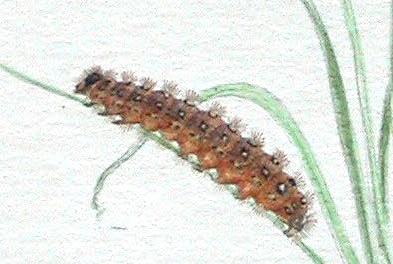
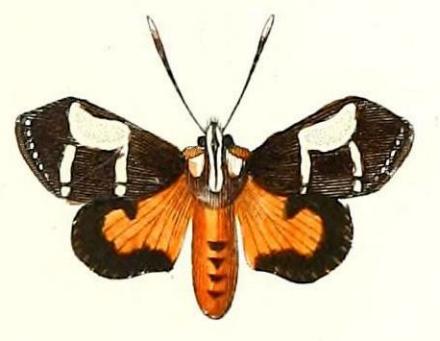
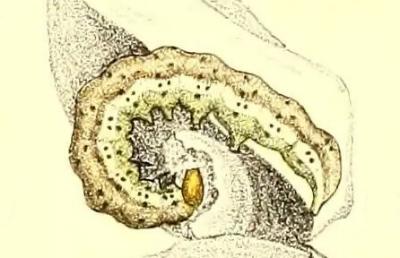
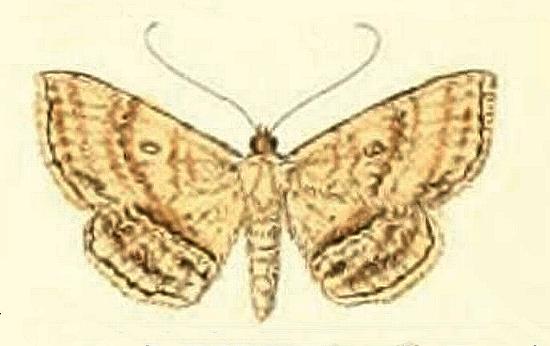
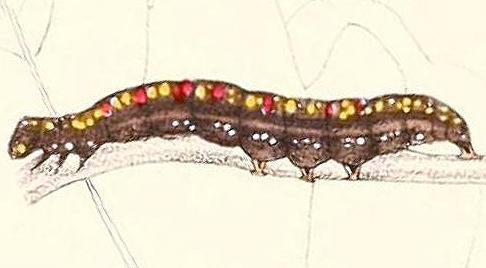
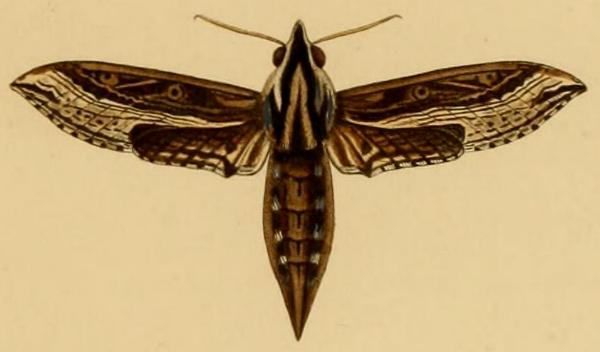
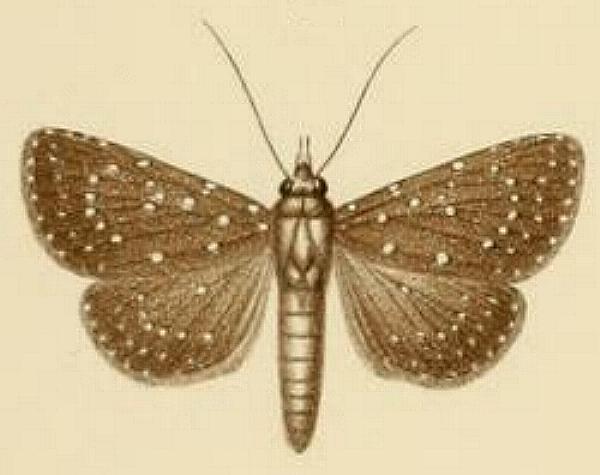
Line drawings were produced by engraving the lines by hand typically into a sheet of copper which could then used to print copies of the drawing. Fr short runs, these line drawings weresometimes coloured by hand. Engraving and colouring pictures this way required great skill.
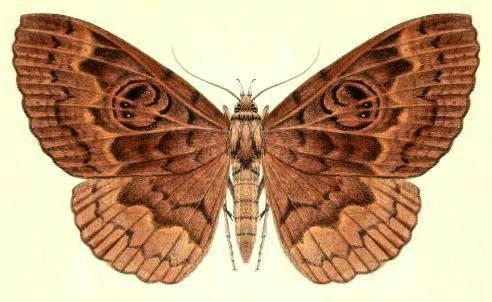
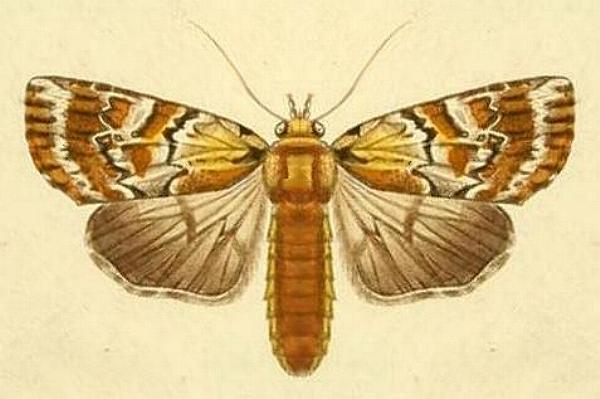
Coloured lithographs were made using a sheet of gelatine, containing typically potassium dichromate, deposited on a stone or metal plate. This was then exposed to light of one of the primary colours shone through the original painting which hardened the gelatine in the exposed areas. The unexposed gelatine was then washed off the plate, creating a printing block for that primary colour. Making these colour lithographic plates required great skill.
Then each colour plate was used to print that colour on the final paper, carefully aligning it with the other colours already printed on that paper, after drying each previous printing. Printing with these lithographic plates required great skill.
Where companies were emplyed by entomologists to illustrate their monographs, the actual staff who drew, engraved, and printed the illustrations were seldom recorded
Here is a list of the known individuals and companies of artists, engravers,
lithographers and printers involved in making the
nineteenth century illustrations reproduced in this website.
 Wood, William Jr. lithographer for Butler |

 butterflies |  Lepidoptera |  moths |